Sealants

Pediatric Dental Office Serving the St. Louis Community

At Little Pearls Pediatric Dentistry, we understand that preventing dental problems before they start is key to maintaining a healthy smile for life. Dental sealants are one of the most effective preventive measures available, especially for children. This simple treatment can significantly reduce the risk of cavities by providing a protective shield over the teeth’s most vulnerable areas. These areas of the occlusal (biting surface) of the teeth are known as the pits and fissures, where cavities are most commonly found for both primary and permanent teeth. 

What Are Dental Sealants?

Dental sealants are a thin, protective coating made from medical-grade fluoride releasing resin (similar to our filling material)  that is applied to the chewing surfaces of the back teeth. These areas are particularly prone to decay because they have deep grooves and crevices that can trap food and bacteria. Even regular brushing often misses these intricacies, particularly if your child struggles with a strong gag reflex. Sealants fill these crevices, forming a barrier that prevents food particles and plaque from accumulating in order to minimize the risk of future cavitation. 

While sealants are typically recommended for permanent molars, in some instances primary (baby) teeth may benefit from protective sealants if the anatomy of the tooth makes it highly susceptible to decay, or if the enamel did not adequately form and the tooth is at a higher risk for decay.

These preventive services are crucial for maintaining oral health and preventing future dental problems, and they can be conveniently performed during the cleaning visits.  Sealants are a safe, effective, and practical solution that is often covered by insurance and a highly recommended preventative measure by the American Academy of Pediatric Dentistry.
Benefits of Dental Sealants

Dental sealants offer numerous benefits, particularly for children and teenagers who are still mastering their oral hygiene skills:

    • Preventive Care: Sealants can reduce the risk of decay in molars by 76%. This is crucial during the cavity-prone years of 6 to 14.

    • Cost-Effective: By preventing cavities, sealants save on future dental treatments, which can be more invasive and expensive.

    • Long-Lasting: With proper home care and avoiding certain foods or habits, Sealants can last for many years under the force of normal chewing. It is not recommended to eat sticky foods such as chewing gum and gummies, or chew on things such as ice in order to prolong the life of sealants.

    •  Sealants will be checked every 6 months at your child’s recall appointment and can be reapplied or touched up if necessary.

Ideal Candidates for Sealants

While sealants are beneficial for patients of all ages, they are particularly advantageous for children and teenagers as soon as their permanent molars come in. The first set of permanent molars typically comes in around age six, with the second set coming in around age twelve. Ideal time to apply sealants as soon as the molars are fully erupted and the child can tolerate adequate isolation during application.

A Commitment to Comprehensive Care

At Little Pearls Pediatric Dentistry, we are committed to providing comprehensive care that includes preventive treatments like dental sealants. Our goal is to ensure every child has a healthy start to their dental health journey, with fewer cavities and happier, healthier smiles.

We invite you to discuss with us how dental sealants might benefit your child during your next visit. Let us help protect your child’s teeth with this safe, effective, and practical solution that is often covered by insurance and a highly recommended preventative measure by the American Academy of Pediatric Dentistry.
FAQs

1. What are dental sealants?
Sealants are thin protective coatings placed on the chewing surfaces of back teeth to help prevent cavities in deep grooves.

2. How long do sealants last?
Sealants typically last several years and can be touched up during routine visits if needed.

3. Are sealants safe for children?
Yes. Sealants are recommended by the AAPD and ADA as a safe, effective way to prevent cavities.

4. Do sealants hurt?
No. Sealant placement is quick, painless, and does not require numbing or drilling.

5. When should my child get sealants?
Most children receive sealants when their permanent molars come in, usually around ages 6 and 12.

Follow Us On Instagram!

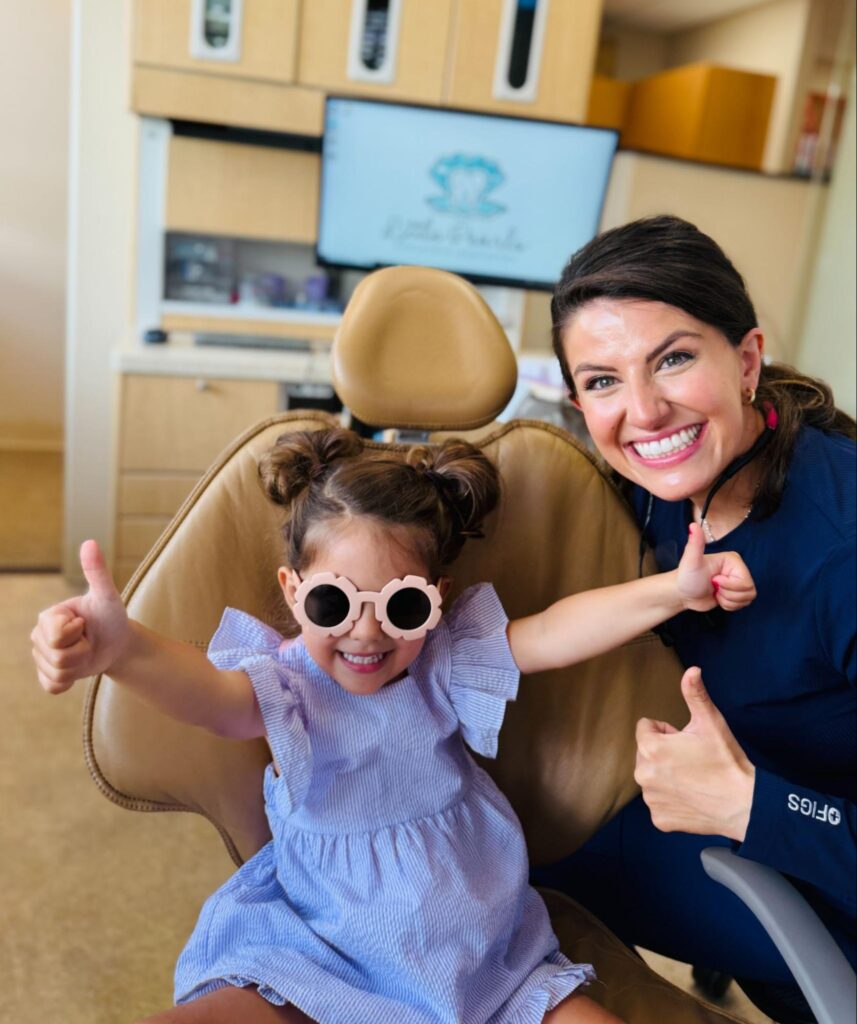
Smiling child and Dr. Mary Margaret Kratz showing excitement after a positive pediatric dental visit at Little Pearls Pediatric Dentistry St. Louis.
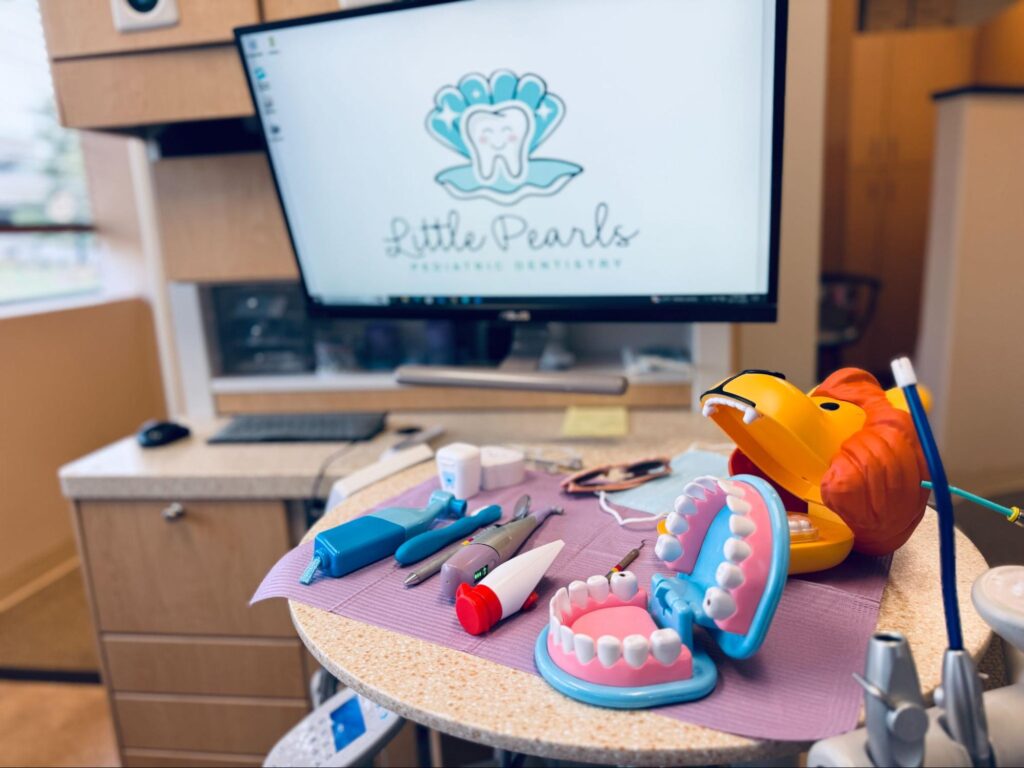
Colorful dental tools and educational models in an exam room at Little Pearls Pediatric Dentistry, highlighting a fun, child-friendly environment.
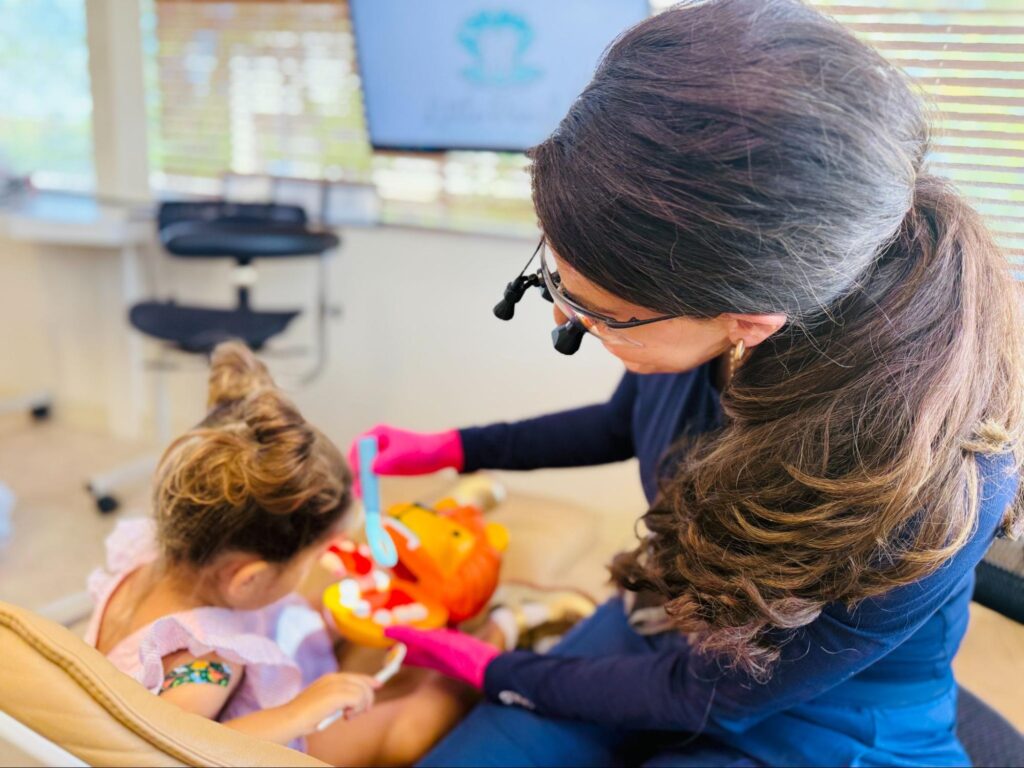
Dr. Mary Margaret Kratz teaching proper brushing to a young patient using a toy model at Little Pearls Pediatric Dentistry in St. Louis.