Nerve Treatment

Pediatric Dental Office Serving the St. Louis Community

Nerve Treatment for Children

As a parent, it may feel overwhelming to hear that your child may need more than a simple filling. However, when a child is experiencing a severe toothache, deep cavity, or abscessed tooth, nerve treatment may be the best option to relieve their pain and save the tooth.

At Little Pearls Pediatric Dentistry, Dr. Mary Margaret and her caring team specialize in providing gentle, effective nerve treatment for children. With a compassionate approach and child-friendly techniques, we make every effort to ensure your child feels comfortable, supported, and safe throughout their visit.

Understanding Nerve Treatment in Pediatric Teeth

Nerve treatment involves procedures that aim to save and repair a tooth that has been compromised due to decay or trauma reaching the pulp (the innermost part of the tooth where nerves and blood vessels reside). The goal is to preserve the tooth, relieve discomfort, and allow normal function until the tooth naturally falls out on its own and hopefully prevent the need for premature tooth removal. 

Benefits of Nerve Treatment

  • Pain Relief: By removing the infected or inflamed pulp tissue, nerve treatments significantly alleviate pain and discomfort.
  • Tooth Preservation: These treatments allow for the preservation of the tooth, which is important for maintaining proper chewing function, aesthetic appearance, and holding the space for the permanent replacement.
  • Prevention of Spread of Infection: Treating the nerve when indicated can prevent the infection from spreading further, which can save neighboring teeth as well as prevent damage to the developing permanent tooth, and reduces the risk of more severe health complications from the dental infection.


Nerve treatment

What Parents Can Expect

  1. In-Depth Diagnosis: Dr. Mary Margaret will conduct a thorough examination, including digital X-rays, to determine the extent of decay or damage and the indication for nerve treatment, as well as determine which treatment is best suited for your child.
  2. Comfort and Numbing – Before treatment begins, local anesthesia is administered to ensure your child’s comfort throughout the procedure. They will not feel pain, but may feel minor pressure as the crown is being placed. 
  3. Removing the Infection – Dr. Mary Margaret carefully removes the affected portion of the nerve inside the tooth, ensuring all infection and inflammation are addressed.
  4. Protecting the Tooth – After the pulp is removed, the space is filled with a medicament that promotes healing, prevents bacterial growth and provides an adequate seal from future bacterial contamination.
  5. Restoring Strength – In most cases, the treated tooth is then covered with a pediatric crown for best long-term strength and protection.

Throughout the process, we explain each step in child-friendly language and check in with your child frequently to ensure they remain comfortable and calm.

Aftercare Tips for Parents

  • Numbness – The numbing medication may last a few hours. During this time, prevent your child from biting their cheek, lips, or tongue. 
  • Mild Soreness – Some children experience slight tenderness for a day or two as they adjust to the new cap. They may feel pressure, or their bite may feel different for several days. In most cases, this will improve with time and over-the-counter children’s pain relievers (acetaminophen or ibuprofen) may be used as needed.
  • Oral Hygiene – Continue twice daily brushing and flossing, pulling the floss through the contact area versus up and out.
  • Diet – Encourage soft foods for the rest of the day and return to a normal diet as tolerated. Avoid sticky foods for the duration of having the crown, as this can compromise the retention of the cement holding the crown to the tooth.
  • Follow-Up – Attend all recommended follow-up visits so we can monitor healing and ensure the tooth stays healthy.

Supporting Your Child’s Smile

At Little Pearls Pediatric Dentistry, our priority is not only to restore your child’s tooth but also to help them feel confident and safe throughout their treatment. Nerve treatment can relieve pain, prevent the spread of infection, prevent damage to the developing permanent tooth underneath, and preserve your child’s natural tooth, which is essential for proper chewing, speaking, and guiding permanent teeth into place.

FAQs

1. What is nerve treatment for baby teeth?
Nerve treatment removes infection or damaged tissue inside a tooth to relieve pain and save the tooth when decay is deep.

2. Why not just extract the tooth?
Saving a baby tooth helps maintain space, support chewing, and guide proper development of permanent teeth.

3. What types of nerve treatment are used?
Depending on the tooth, treatment may include indirect pulp therapy, a pulpotomy, or a pulpectomy.

4. Is nerve treatment painful?
No. The tooth is numbed to ensure comfort. Children often feel relief afterward.

5. Will the tooth need a crown after treatment?
Yes. Most treated teeth require a crown to protect them and ensure long-term stability.

Follow Us On Instagram!

Smiling child and Dr. Mary Margaret Kratz showing excitement after a positive pediatric dental visit at Little Pearls Pediatric Dentistry St. Louis.
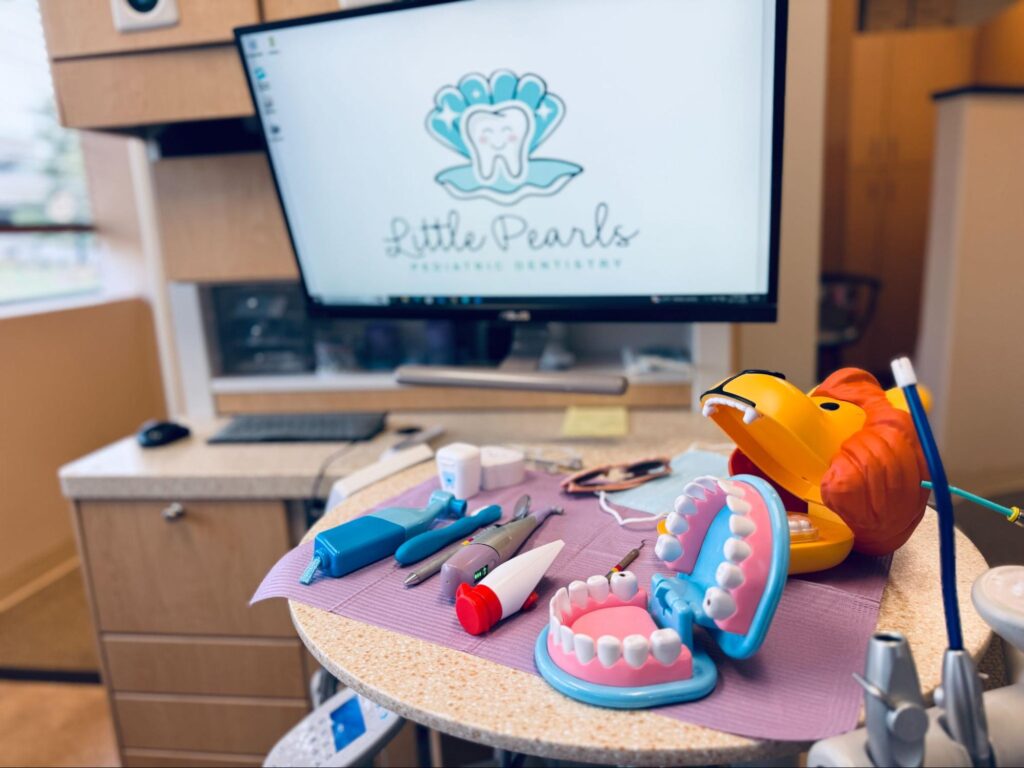
Colorful dental tools and educational models in an exam room at Little Pearls Pediatric Dentistry, highlighting a fun, child-friendly environment.
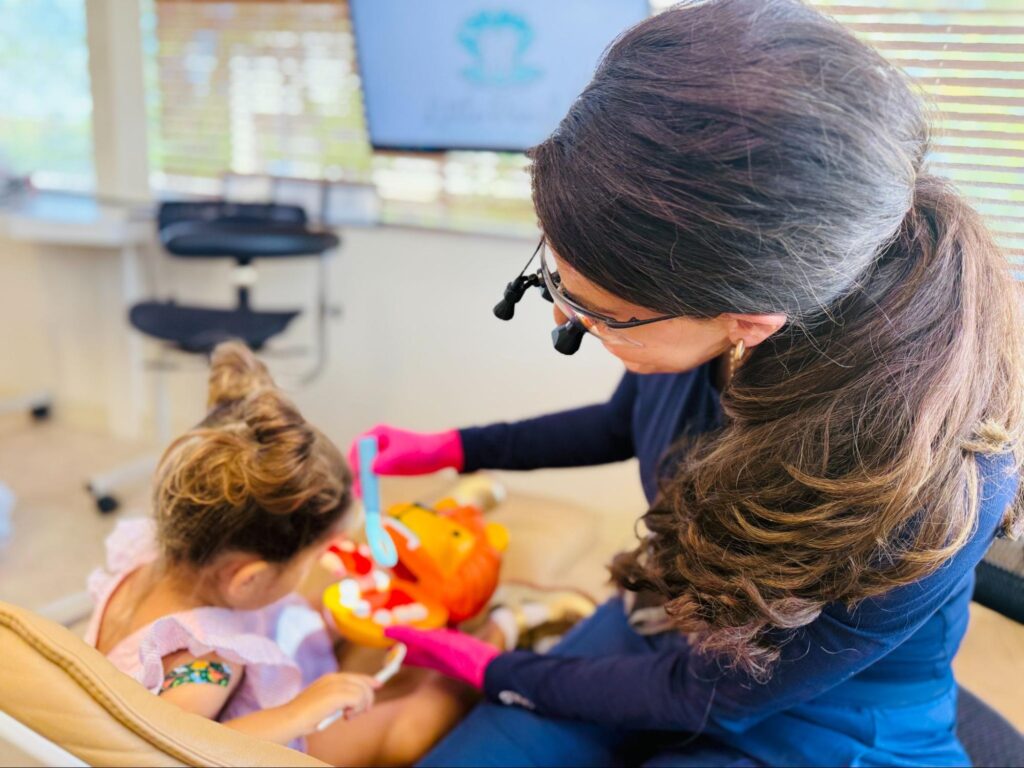
Dr. Mary Margaret Kratz teaching proper brushing to a young patient using a toy model at Little Pearls Pediatric Dentistry in St. Louis.