Sedation and Anesthesia

Pediatric Dental Office Serving the St. Louis Community

At Little Pearls Pediatric Dentistry, we understand that dental visits can be challenging for some children, especially those who have had previous traumatic dental experiences, have special healthcare needs, or require extensive treatment. If your child struggles with any dental anxiety, various 

To ensure that every child receives the care they need in a comfortable, stress-free environment, we offer a range of sedation options. In most cases, an inhaled anesthetic called nitrous oxide, also known as “laughing gas,” can be an incredibly safe and effective tool to decrease anxiety and allow treatment to be completed in a routine dental setting. These methods are tailored to suit the specific needs of each child, ensuring a safe and anxiety-free dental experience.

Why Consider Nitrous Oxide in Dentistry?

  • Reduces Anxiety: Nitrous Oxide functions as an anxiolytic, meaning it effectively reduces anxiety which is often the greatest obstacle to completing treatment. This can also help a child remain still during longer treatment appointments because they are relaxed, allowing a better outcome of treatment.
  • Reduces Discomfort: Nitrous Oxide has the ability to create a generalized feeling of numbness, therefore lessening the ability for a patient to feel discomfort. This is particularly helpful during procedures that may be uncomfortable or require the child to remain still for long periods. In some circumstances, nitrous oxide may be used instead of local anesthetic, to prevent your child from having to feel numbness for several hours and risk biting their lip or cheek. 
  • Reduces Gag Reflex: some procedures can be technique sensitive, particularly to moisture. If a strong gag reflex is something your child struggles with, nitrous oxide can help lessen that reflex sensitivity to allow for adequate isolation. 
  • Safe: With a few exceptions, nitrous oxide is incredibly safe for most patients and unlike other forms of sedation, it has little effect on the respiratory system. Having a quick onset and quick offset, your child should be feeling totally themselves when leaving the office and will have minimal food restrictions before and after treatment.
Types of Sedation Used in Pediatric Dentistry

While specific sedation options provided at Little Pearls Pediatric Dentistry depend on various factors including the child’s health, the complexity of the procedure, and willingness of the child to withstand treatment, common types of sedation may include:

  • Nitrous Oxide (Laughing Gas): This is a mild sedative that helps children relax during dental procedures. It is inhaled through a small mask over the nose and its effects wear off within 5 minutes of breathing 100% oxygen following the procedure.
  • In-Office General Anesthesia: Administered by an anesthesiologist (Premier Dental Anesthesia), IV sedation is used for longer procedures and in cases where deeper sedation is needed and may be offered in-office for healthy patients following an updated History and Physical Exam.
  • Hospital Based General Anesthesia: Used in more extensive cases or where other forms of sedation are not suitable due to health reasons. Depending on the service, if a child is anticipating going under general anesthesia for another procedure, sometimes dental can be coordinated at the same time to minimize need for repeated anesthesia. Dr. Mary Margaret has obtained hospital privileges at both Mercy Hospital St. Louis and St. Louis Children’s Hospital. 

Safety First

Safety is our utmost priority when it comes to sedation. Dr. Mary Margaret and our team will conduct a thorough review of your child’s medical history and explain all the risks and benefits associated with various forms of sedation and ensure all questions and concerns have been addressed. It is our goal to successfully treat each patient in the least invasive way possible. When sedation is indicated, we adhere strictly to the guidelines set by the American Academy of Pediatrics and ensure that sedation is administered by qualified professionals.

Preparing Your Child for Sedation

Parents play a critical role in preparing their child for a sedation dentistry appointment. We provide detailed instructions on what to do before and after the procedure, including dietary restrictions and recommendations for recovery. Our team is also available to answer any questions you may have to ensure that you feel confident and informed about the sedation process.

Making Dental Care Accessible and Fear-Free

Our goal at Little Pearls Pediatric Dentistry is to make dental care a positive, fear-free experience for all children. By offering sedation options, we help ensure that even the most anxious or fearful children can receive the dental care they need in the most comfortable way possible. If you think your child could benefit from sedation dentistry, please contact us to discuss our available options.

FAQs

1. What is the difference between sedation and anesthesia?
Sedation helps children relax while staying responsive. Anesthesia provides a deeper, sleep-like state for complex care.

2. When are these options recommended?
For significant anxiety, extensive treatment, very young age, special healthcare needs, or a strong gag reflex.

3. Are sedation and anesthesia safe for kids?
Yes. Children are carefully evaluated, monitored with medical-grade equipment, and treated by trained providers.

4. How should we prepare for the visit?
You may receive eating and drinking guidelines, medical history review, and day-of instructions to keep your child safe.

5. What is recovery like afterward?
Nitrous oxide wears off quickly. Deeper sedation and anesthesia may cause drowsiness for the rest of the day. We provide clear home care instructions.

Follow Us On Instagram!

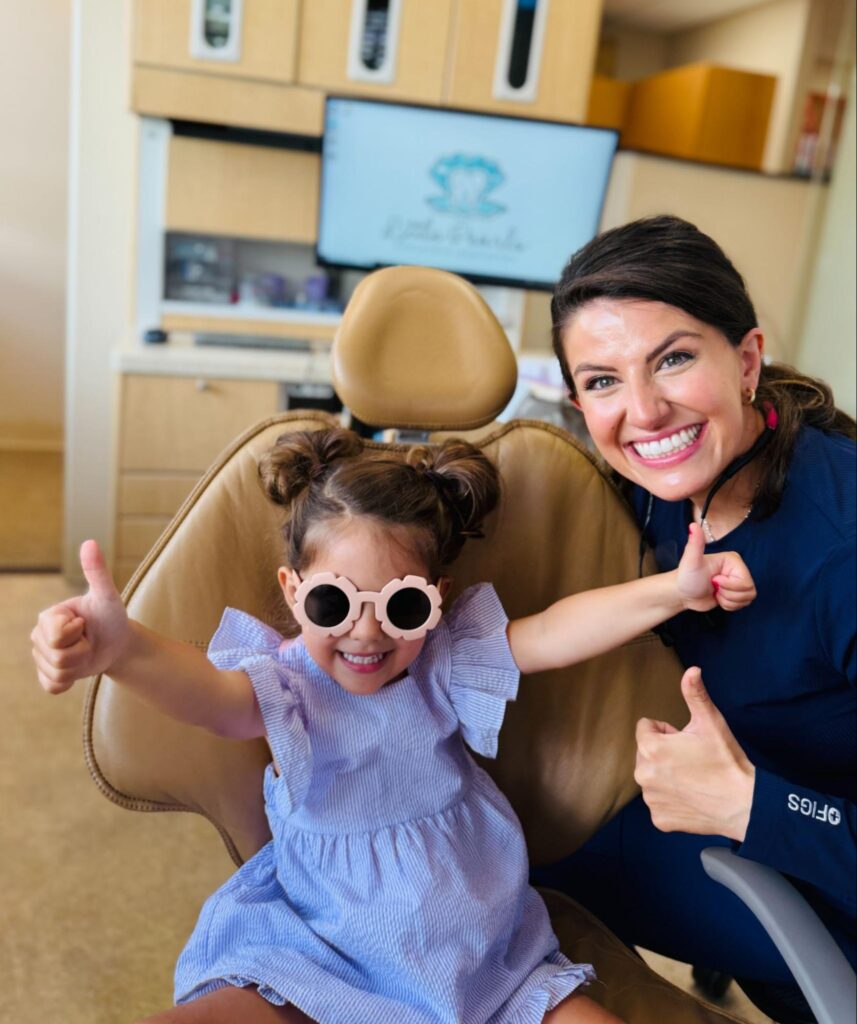
Smiling child and Dr. Mary Margaret Kratz showing excitement after a positive pediatric dental visit at Little Pearls Pediatric Dentistry St. Louis.
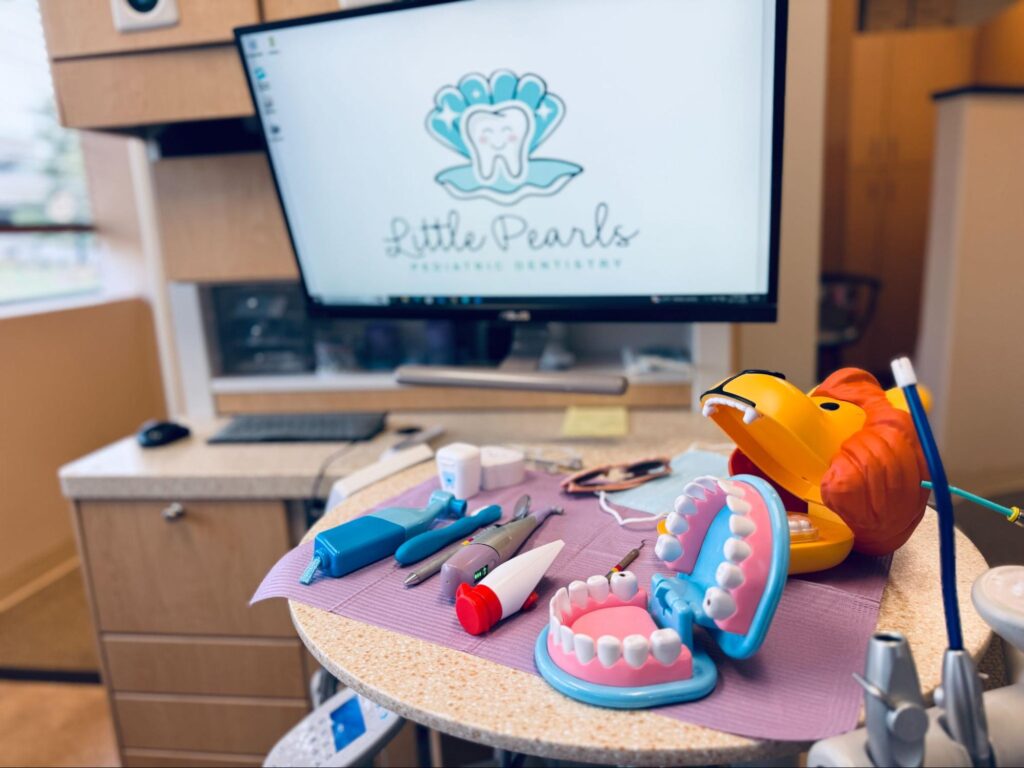
Colorful dental tools and educational models in an exam room at Little Pearls Pediatric Dentistry, highlighting a fun, child-friendly environment.
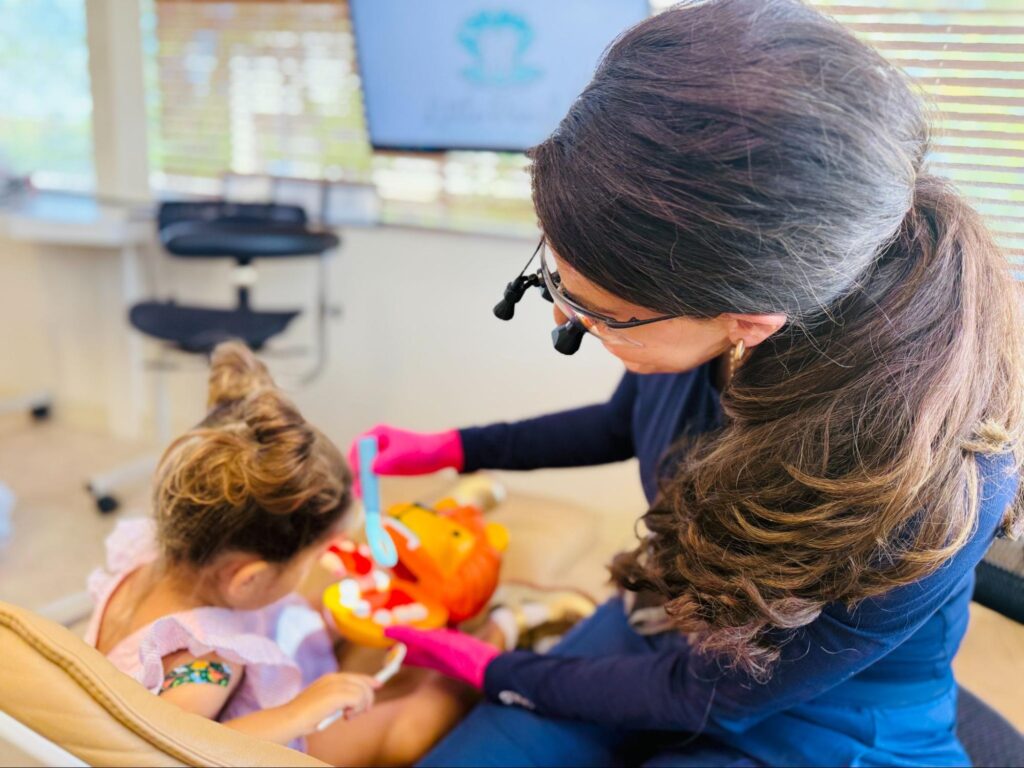
Dr. Mary Margaret Kratz teaching proper brushing to a young patient using a toy model at Little Pearls Pediatric Dentistry in St. Louis.